Bakalavriat
Ümumi məlumat
İnformasiya təhlükəsizliyi ixtisası 2018-ci ildə açılıb. Tədris proqramı ABŞ və Avropanın aparıcı universitetlərinin tədris proqramlarının təhlili əsasında kafedranın professor-müəllim heyəti tərəfindən hazırlanıb.
Indiki dövrdə əksər məlumatların rəqəmsal mühitdə saxlandığı üçün kibertəhlükəsizliyin aktuallığı və informasiya təhlükəsizliyi ixtisasının populyarlığı getdikcə artır. İnformasiya təhlükəsizliyi mütəxəssisi istifadəçilər və bütün şirkət haqqında məlumatların məxfiliyini təmin edir, məlumatların sızmasının qarşısını almaq üçün tədbirlər görür, lokal şəbəkənin vəziyyətini müntəzəm təhlil edir, zəiflikləri və virus hücumlarını aradan qaldırır, kiber hücumların qarşısını alan bir sistem yaradır.
Belə ki, rəqəmsal texnologiyalar bütün sahələrdə və müəssisələrdə tətbiq olunur bu ixtisasa tələbat yüksəkdir.
Module Handbooks Download PDF
Proqramın təlim nəticələri
“İnformasiya təhlükəsizliyi” bakalavr proqramını bitirdikdən sonra məzunlar aşağıdakı bilik, bacarıq və səriştələrə malik olacaqlar:
-
İnformasiya təhlükəsizliyi, kompüter elmləri və tətbiqi riyaziyyatın əsas prinsiplərini inteqrasiya etmək və tətbiq etməklə təhlükəsiz rəqəmsal sistemlərin layihələndirilməsi və qorunmasını təmin etmək bacarığı.
-
Təhlükəsizlik təhdidlərini, zəiflikləri və riskləri analitik və kəmiyyət metodlarından istifadə edərək modelləşdirmək və təhlil etmək, onların təsir və ehtimal dərəcələrinə əsasən prioritetləşdirmək bacarığı.
-
Müəyyən olunmuş funksional, performans və normativ tələblərə cavab verən təhlükəsiz sistem arxitekturalarını və kriptoqrafik mexanizmləri layihələndirmək və əsaslandırmaq bacarığı.
-
Sübutların qorunmasını, nəticələrin şərhini və yoxlanıla bilən hesabatların hazırlanmasını təmin etməklə rəqəmsal istintaqların və ekspertiza təhlillərinin planlaşdırılması və həyata keçirilməsi bacarığı.
-
Müasir alət və platformalar vasitəsilə informasiya təhlükəsizliyi əməliyyatlarını, insidentlərin cavablandırılmasını, sistemin texniki xidmətini və təhlükəsiz bulud və ya DevSecOps təcrübələrinin tətbiqi və avtomatlaşdırılması bacarığı.
-
Təhlükəsizliklə bağlı qərarların etik standartlara, hüquqi və normativ tələblərə uyğun olaraq, həmçinin dayanıqlılıq və cəmiyyətə təsir amillərini nəzərə almaqla qiymətləndirilməsi bacarığı.
-
Texniki məlumatları ingilis və Azərbaycan dillərində aydın şəkildə təqdim etmək, Azərbaycanın tarixi haqqında bilik nümayiş etdirmək, sənaye və peşəkar mühitlərdə çoxsahəli və çoxmədəniyyətli komandaların üzvü və ya rəhbəri kimi effektiv fəaliyyət göstərmək, kontekstual bilikləri, etik prinsipləri və mədəni fərqlilikləri inteqrasiya etmək bacarığı.
-
Yeni texnologiyalara və inkişaf edən təhlükəsizlik çağırışlarına uyğunlaşmaq məqsədilə müstəqil öyrənmə, tədqiqat və sertifikatlaşdırma fəaliyyətləri vasitəsilə davamlı peşəkar inkişafda iştirak bacarığı.
Laboratoriyalar
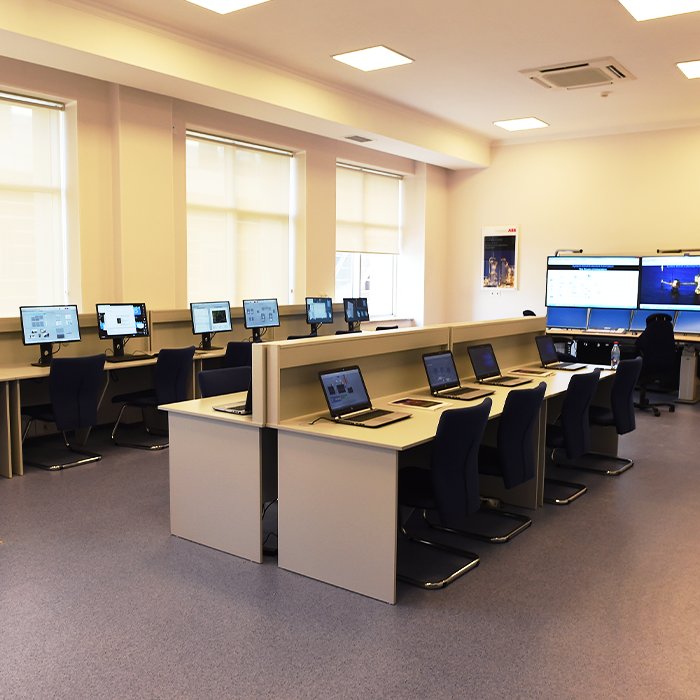
Kompüter şəbəkələri laboratoriyası SOCAR tərəfindən təchiz olunub. İnformasiya təhlükəsizliyi ixtisasının tələbələri burada şəbəkələrin əsaslarını, şəbəkələrin proqramlaşdırılmasını və təhlükəsizliyini öyrənirlər.
Təcrübə və iş imkanları
Tələbələri real iş şəraitinə hazırlamaq, istehsalatda istifadə olunan avadanlıqlarla tanış etmək məqsədilə II-IV kursda istehsalat təcrübəsi keçirilir.
Dörd il ərzində istehsalat təcrübələrindən sonra Buraxılış işlərinin hazırlanması və dissertasiyalar üçün materialların toplanması məqsədilə 5-ci kurs tələbələri və 2-ci kurs magistrlər 10 həftəlik tədqiqat təcrübəsinə göndərilir. Bu təcrübə onların elmi-tədqiqat potensialını artırmaqla gələcək karyeralarını qurmalarında böyük rol oynayır.